Do ADHD People Need More Sleep?
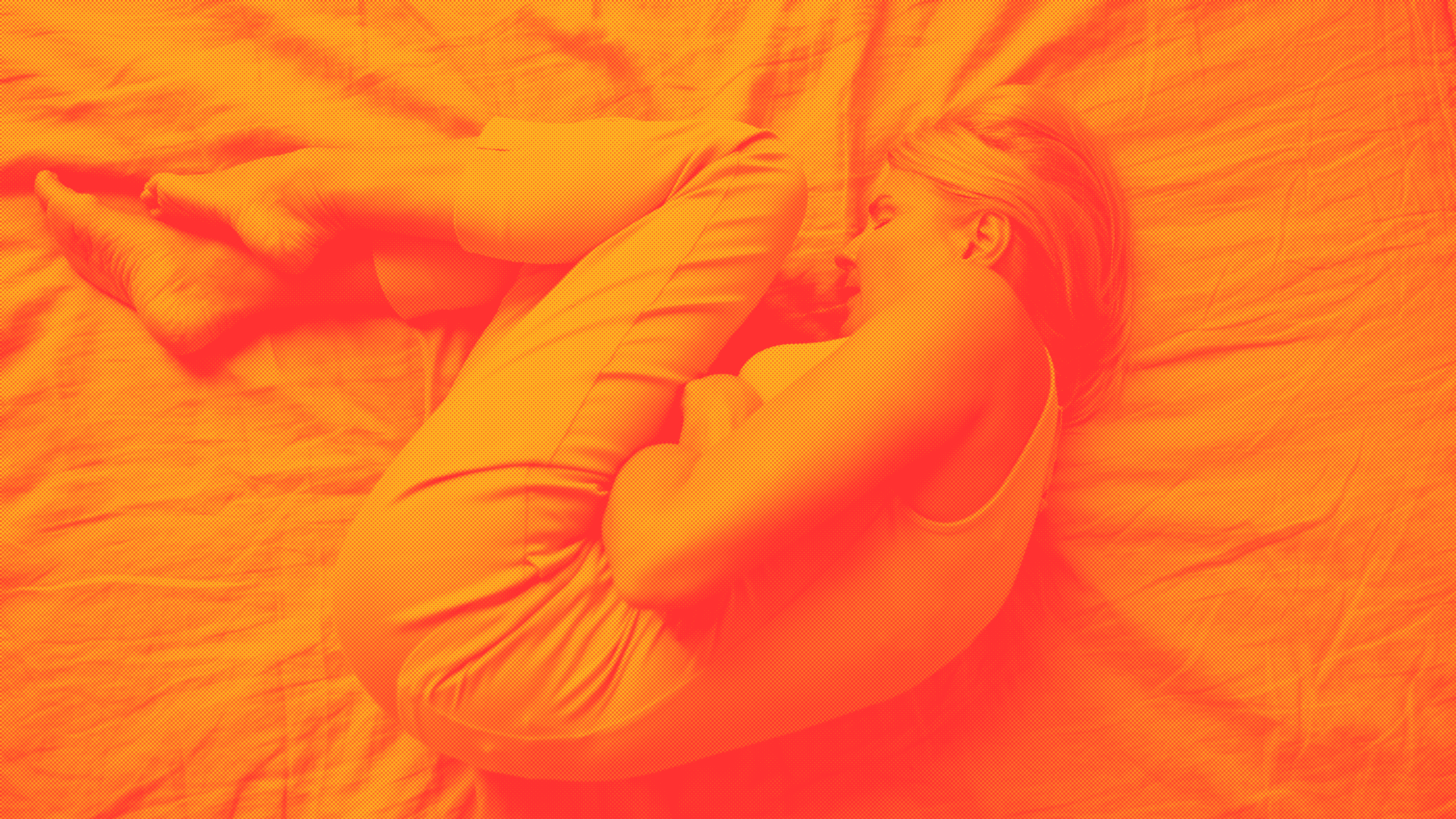
Some ADHD people may need more sleep than neurotypical people because they can frequently have what is called a ‘sleep deficit’. A sleep deficit or sleep debt is the difference between the amount of sleep a person needs and the amount they get.
In ADHD people this can be more prevalent because they are more likely to have sleep problems or a sleep disorder, as discussed in Is there a link between ADHD and sleep problems? One of the most common problems is delayed sleep phase symptoms, which means that ADHD brains don’t typically start to ‘wind down’ for sleep at the same time and in the same way as neurotypical people. So ADHD people tend to feel tired and fall asleep later but still have to wake up at the same time as the rest of society. This continuous practice of less sleep causes the sleep debt and the reasoning why sometimes ADHD people need more sleep.
Why do ADHD people need more sleep?
Sleep with ADHD people is not usually a motivation problem. Tired does not equal sleepy. You can be exhausted and still physiologically be unable to sleep. This can be due to multiple factors including your body clock, sleep pressure, and nervous system. A dysregulated nervous system can cause unstable sleep, but sleep doesn’t happen in isolation. It sits inside hormones, emotions, stress, relationships, culture, and care. Our environments shape sleep as much as our biology.
Many ADHD people often feel a compelling urge to stay active and occupied, driving them to seek constant productivity. These attributes can hinder relaxation and sleep, especially when intertwined with a desire for control. This can make moments of inactivity feel unproductive or wasteful.
When a person’s default state becomes perpetual action and control, any break from this routine can result in discomfort and guilt. This then culminates in overthinking – a trap that blocks relaxation.
The majority of ADHD people describe an inability to quieten their minds at bedtime. This is often because the brain hasn’t been afforded any space during the day to process and digest information, so this collection of thoughts then appears as soon as you try to go to sleep. These thoughts keep the brain active and alert, blocking your nervous system from being able to move to a state of safety and relaxation that is needed for sleep; which then results in delayed sleep phase symptoms, later bedtimes, less sleep and a higher sleep debt.
If you are sleep deprived or in a sleep deficit, you are likely to have high levels of sleep pressure, which means you feel sleepier than usual. This sleepiness will negatively impact your cognitive ability, so some ADHD people try to solve this with napping. Different lengths of naps improve mood, alertness and cognitive wellbeing, and some areas of memory processing.
Timing matters. Shorter naps or ‘power naps’ of 20 to 30 minutes are enough to take the edge off feelings of daytime sleepiness. The shorter timing stops you from dropping into deep sleep - if you are chronically sleep deprived there is a chance you will enter deep sleep sooner. Avoiding this drop into deep sleep will help you wake up less groggy and more alert. A recent small study showed that a 30-minute nap could reverse the hormonal impact of a night of poor sleep.
However, if you are anxious about sleep or experience insomnia, you want to avoid napping so you are able to fall asleep better the next night.

Sub heading
At vero eos et accusamus et iusto odio dignissimos ducimus qui blanditiis praesentium voluptatum deleniti atque corrupti quos dolores et quas molestias excepturi sint occaecati cupiditate non provident, similique sunt in culpa qui officia deserunt mollitia animi, id est laborum et dolorum fuga. Et harum quidem rerum facilis est et expedita distinctio. Nam libero tempore, cum soluta nobis est eligendi optio cumque nihil impedit quo minus id quod maxime placeat facere possimus, omnis voluptas assumenda est, omnis dolor repellendus. Temporibus autem quibusdam et aut officiis debitis aut rerum necessitatibus saepe eveniet ut et voluptates repudiandae sint et molestiae non recusandae. Itaque earum rerum hic tenetur a sapiente delectus, ut aut reiciendis voluptatibus maiores alias consequatur aut perferendis doloribus asperiores repellat.
If you're looking for support on your sleep or neurodiversity, join a Community that gets it. The ADHD Sleep Club is more than a place to learn about sleep, it’s a space to feel seen, supported, and part of something bigger. We’re building a growing community of people who understand how ADHD shapes rest, energy, and everyday life.
By joining, you’ll get access to evolving resources, workshops, and lived experience shared in real time. You’ll find shared language, encouragement, and stories that remind you you’re not navigating this alone.
About Heather Darwall-Smith
Heather Darwall-Smith is a UKCP-accredited psychotherapist specialising in sleep, and the author of The ADHD Sleep Book. Diagnosed with ADHD herself later in life, she knows first-hand what it’s like to live with a disco ball of a brain that refuses to switch off at night.