The 5am con
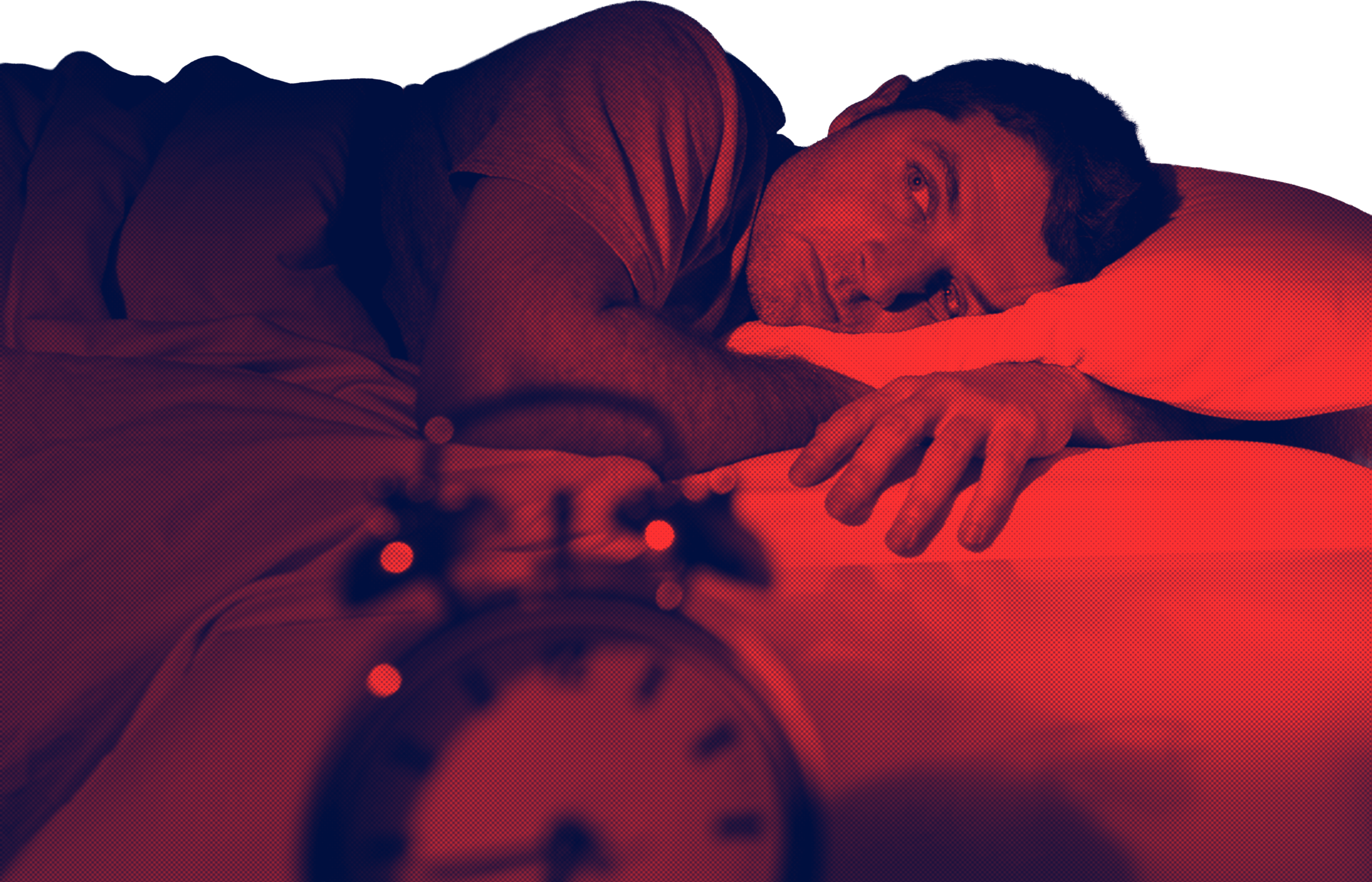
You wake at 5am – properly awake, alert, almost clear-headed – after a night that was nowhere near long enough. For a moment, it feels like proof: maybe you’re a morning person after all. Maybe this is the fix.
It probably isn’t, and it’s worth understanding why, because this exact moment is how a lot of people talk themselves into a 5am routine that falls apart within a fortnight.
Part of what you’re feeling is real. Shortly after waking, most people get a natural rise in cortisol – the cortisol awakening response – which brings a burst of alertness independent of how much you actually slept. It’s a genuine biological event, not something you’re imagining. But it’s also short-lived, and some research suggests it depends on having slept beforehand at all – in one study, people who were kept awake all night showed no morning cortisol rise, while people who’d actually slept did. In other words: the sharp, clear feeling at 5am isn’t evidence that 5am works for you. It’s evidence that your body is very good at producing a temporary lift regardless of the debt sitting underneath it. (Cortisol awakening response research, PubMed; ongoing scientific debate on the mechanism, PMC)
That debt doesn’t vanish because the first hour felt good. For a lot of ADHD and Autistic people, sleep already comes later than the clock on the wall says it should – so getting up at 5am isn’t “gaining time,” it’s cutting straight into hours your body clock hadn’t finished with yet. The bill usually arrives mid-afternoon, as a wall of fog that no amount of the previous “productive” morning can explain away.
None of this means early starts are wrong for everyone – some people are genuinely wired to be up before the sun, and if that’s you, brilliant. The con isn’t early rising itself. It’s treating one good-feeling morning as proof it’s your natural rhythm, rather than a cortisol spike doing exactly what cortisol spikes do.
If you want to know what actually helps move your body clock earlier over time – properly, not just for one dramatic morning – that’s what morning light does, and it’s a much gentler route in. Read more in Why morning light anchors sleep.
About Heather Darwall-Smith
Heather Darwall-Smith is a UKCP-accredited psychotherapist specialising in sleep, and the author of The ADHD Sleep Book. Diagnosed with ADHD herself later in life, she knows first-hand what it’s like to live with a disco ball of a brain that refuses to switch off at night.