Why a weighted blanket works, and how to use one
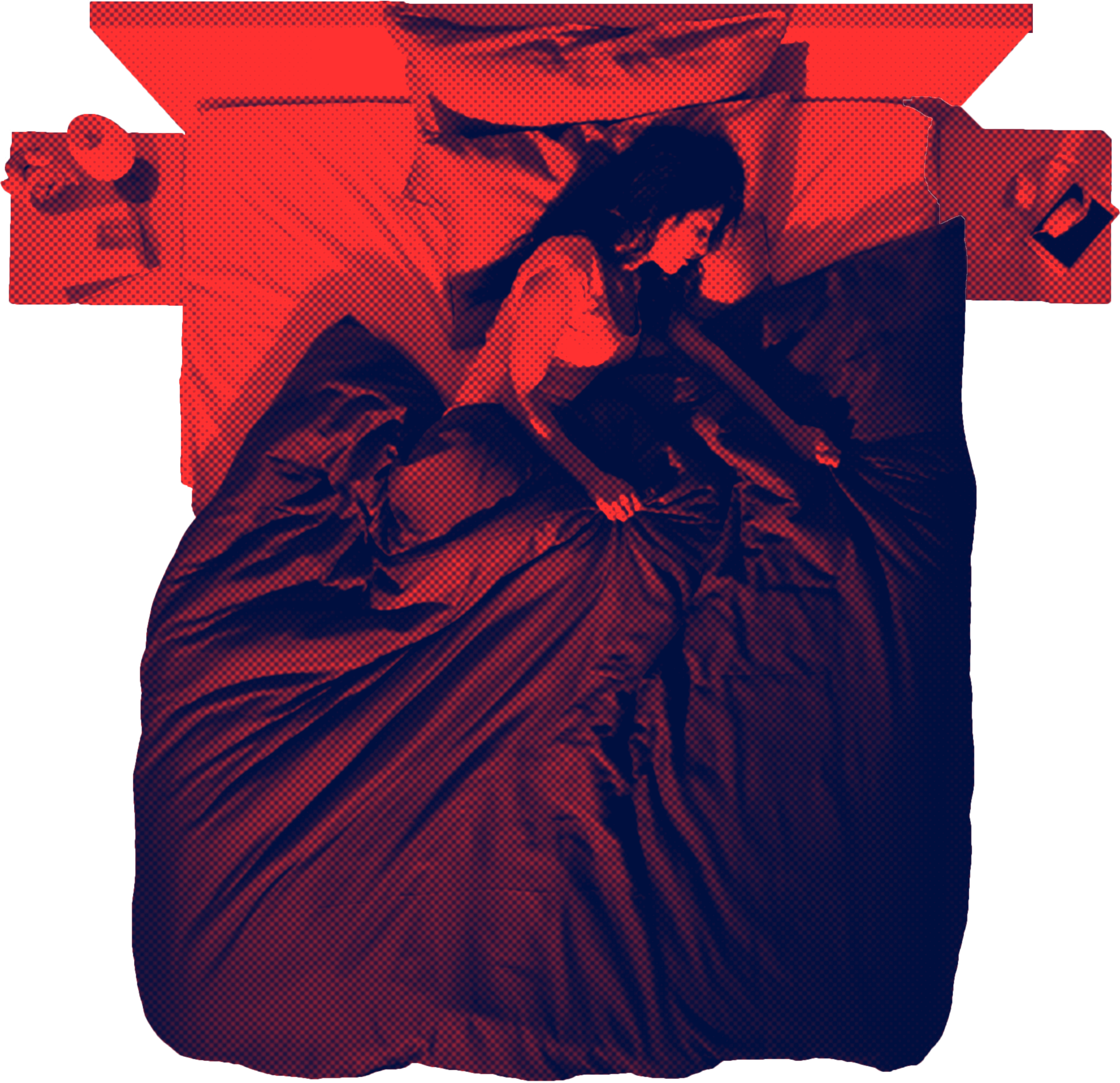
Weighted blankets work on a genuinely different mechanism to an ordinary blanket: firm, evenly distributed pressure across the body – sometimes called deep pressure stimulation – rather than warmth. The theory is that this pressure engages the same senses involved in touch and body-position awareness, calming an overactive nervous system. It’s a reasonable, biologically plausible idea, and it’s worth being honest about how strong the evidence actually is: promising, but genuinely mixed, not settled.
What the research actually shows
The clearest results are for anxiety, where several reviews find a real, if modest, calming effect. For sleep specifically, the picture is more mixed: one well-designed trial in adults with depression, bipolar disorder or anxiety found a striking difference – 78% had a significant drop in insomnia severity using a weighted blanket, against 15% with a light blanket, over four weeks. Other studies, including ones in children with autism, have found people prefer the weighted blanket and report sleeping better, without necessarily showing a measurable change in actual sleep time. No study has found weighted blankets to be harmful, and no serious adverse effects have been reported – so the honest summary is: low risk, genuinely helpful for some people, no guarantee for everyone. (Systematic review and meta-analysis, PMC; RCT in adults with psychiatric comorbidities, Journal of Clinical Sleep Medicine)

Why it might help an ADHD or Autistic nervous system specifically
A lot of what makes sleep hard – a busy mind, a body that’s still braced from the day, sensory signals arriving late or all at once – is about a nervous system that struggles to downshift. Deep, steady pressure is one of the more reliable ways to signal “stand down” to a nervous system that doesn’t take a hint easily. It won’t move your body clock or fix insomnia caused by a late melatonin signal – it’s a comfort and calming tool, not a substitute for the timing-based things that help more (like morning light).
How to actually use one
- A common starting guideline is a blanket around 10% of your body weight, though this is a general rule of thumb rather than a medical prescription – go by comfort, not the number.
- Give it a proper trial of a few weeks before deciding whether it’s helping, the same as any of the small changes on this site.
- It’s not recommended for young children who can’t remove it themselves, and it’s worth checking with a GP or occupational therapist first if you have a respiratory or circulatory condition, or limited mobility.
- If it feels calming rather than restrictive within the first few uses, that’s usually a good sign it’s worth persisting with. If it feels like something to fight against, it’s not the right tool for you – plenty of people find deep pressure unhelpful, and that’s a completely reasonable outcome too.
About Heather Darwall-Smith
Heather Darwall-Smith is a UKCP-accredited psychotherapist specialising in sleep, and the author of The ADHD Sleep Book. Diagnosed with ADHD herself later in life, she knows first-hand what it’s like to live with a disco ball of a brain that refuses to switch off at night.