Why Does ADHD Affect Sleep?
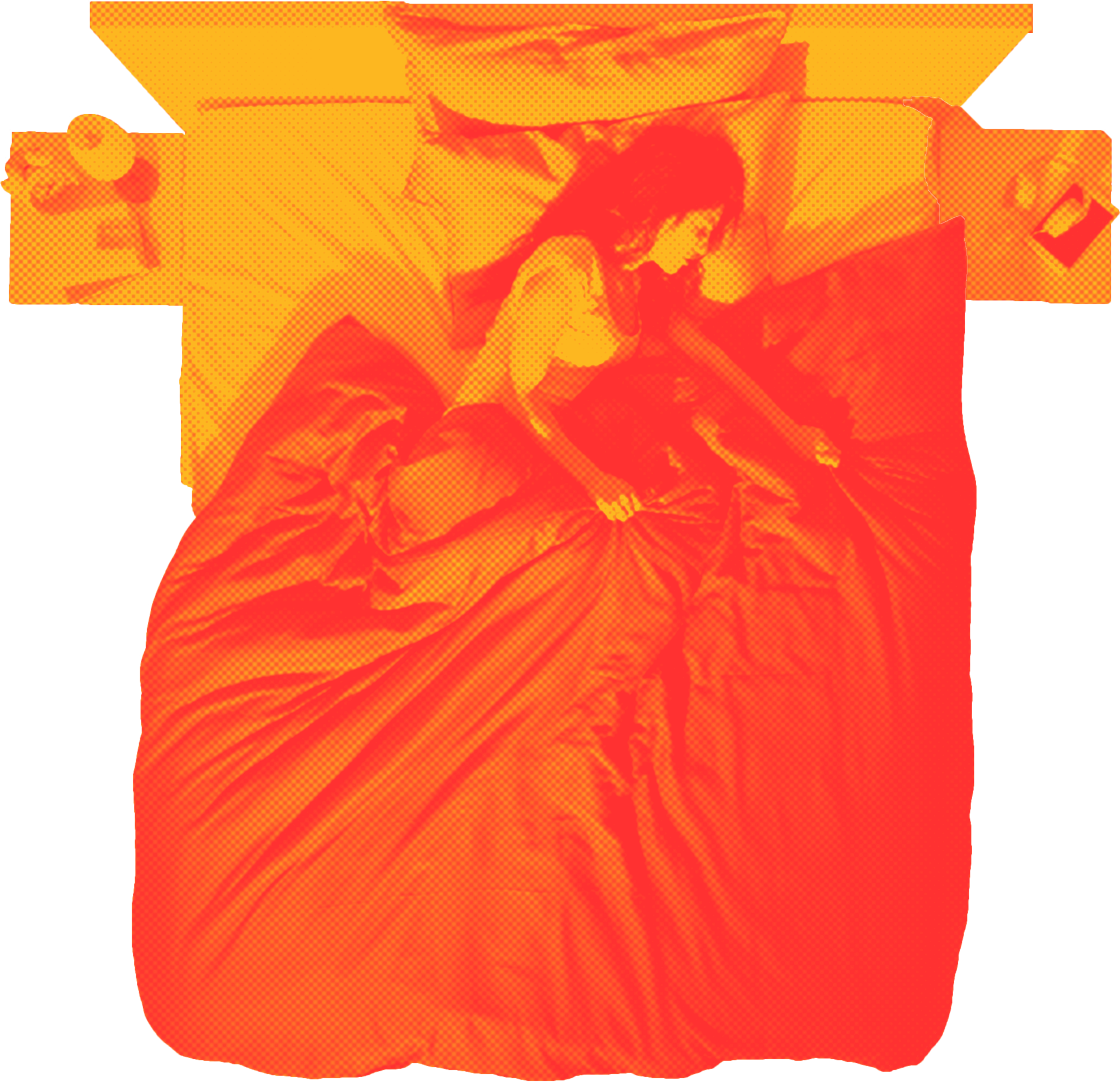
Sleep is a two-step process. Firstly the homeostatic pressure builds sleep pressure, meaning the longer you’re awake the heavier it gets. The second process, the circadian timing, keeps your body clock and signals when sleep is biologically possible. When these two processes meet, you become sleepy and this opens your sleep window.
How does ADHD affect sleep?
ADHD affects the timings of these two processes. The sleep pressure builds but hyper arousal drowns out the signal, so you don’t feel it, whilst your body clock runs on a later schedule, so sleepiness arrives well after the ‘normal’ time. Because of this, many people with ADHD try to force sleep earlier which doesn’t work.
People with ADHD have higher levels of stress hormones, like cortisol and adrenaline, which keep the brain alert and at night block melatonin, which aids sleep. These higher levels of hormones throughout the day means that as it comes to ‘typical’ sleep times, many ADHD brains see this time as the first point in the day where things are calmer and clearer. ADHD makes it harder to disengage from this space and usually results in revenge bedtime procrastination. You’re tired but you keep scrolling, watching, engaging with other things and 10 minutes quickly becomes an hour. The feeling of constant demand that comes with an ADHD brain, means that you have a lower sense of control later at night as it becomes the only space that you feel in control of.
Many ADHD people are profoundly exhausted while their nervous system is still too activated to sleep.
How does lack of sleep affect ADHD?
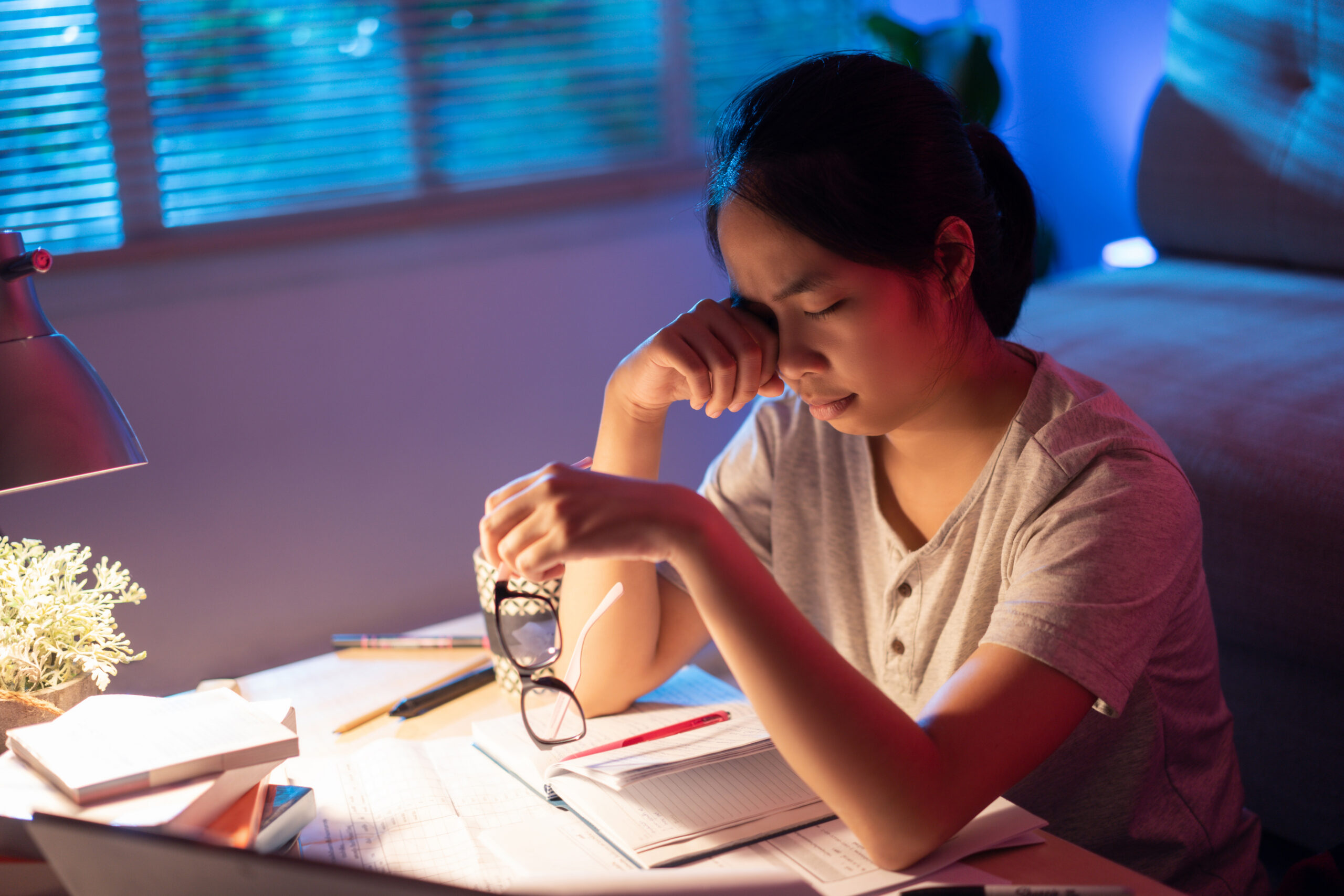
Sleep debt acts much like ADHD, it causes your attention to slow, affects your working memory, and increases impulsivity. This means that sleep loss multiplies existing difficulties for those with ADHD.
This delayed sleep and sleep debt causes longer periods of sleep inertia, the groggy, confused state after waking. Sleep inertia occurs when you wake up from a deep sleep or at times your body considers its biological night. The sleep inertia impairs executive functioning (performance) and emotional regulation (mood) In some cases in people with ADHD and autism, it’s a stronger sensation of feeling ‘sleep drunk.’ A dysregulated nervous system results in unstable sleep, which results in a further dysregulated nervous system and the cycle continues which increases many traits of ADHD.
How can people with ADHD sleep better?
In a world where we’re constantly stimulated, true rest can feel unfamiliar, and unfamiliarity can feel uncomfortable. This can feel especially difficult in people with ADHD as the nervous system is often still activated at times it should be resting. Slowing down can feel uncomfortable, restless, and even agitating.
Rest also looks different to different people, with everyone having their own way to help their nervous system shift out of that high activation mode. Using your phone can often feel like a state of rest, but they often keep the brain alert and engaged, keeping the brain switched on even if it looks like you are switching off.
The biggest sleep tool is a consistent wake-up time. Anchoring your body clock stabilises sleep-wake rhythms and cortisol patterns. Having a consistent wake-up time reduces the mismatch between weekend and weekday schedules and improves energy, mood, and focus.
Even if the time you go to bed changes, aiming for consistency and understanding that you won’t be perfect is what matters. Listen to your body and what it needs.
If you're looking for support on your sleep or neurodiversity, join a Community that gets it. The ADHD Sleep Club is more than a place to learn about sleep, it’s a space to feel seen, supported, and part of something bigger. We’re building a growing community of people who understand how ADHD shapes rest, energy, and everyday life.
By joining, you’ll get access to evolving resources, workshops, and lived experience shared in real time. You’ll find shared language, encouragement, and stories that remind you you’re not navigating this alone.
About Heather Darwall-Smith
Heather Darwall-Smith is a UKCP-accredited psychotherapist specialising in sleep, and the author of The ADHD Sleep Book. Diagnosed with ADHD herself later in life, she knows first-hand what it’s like to live with a disco ball of a brain that refuses to switch off at night.